

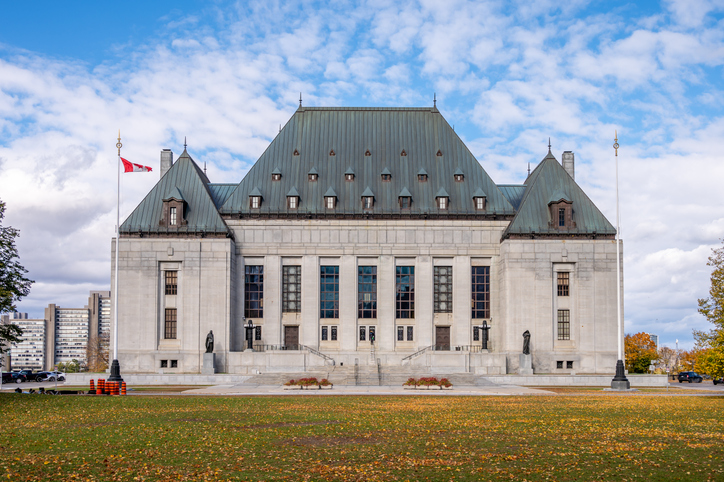
 Civil litigation is a legal process used to resolve disputes between individuals, businesses, or organizations through the court system. Unlike criminal cases, civil litigation does not involve charges brought by the government or the risk of jail time. Instead, it focuses on resolving private conflicts and determining whether one party owes compensation or another legal remedy to the other.
At Powell Litigation, civil litigation is a core area of practice. Clients across Toronto turn to civil litigation when negotiations break down and formal legal action becomes necessary to protect their rights or financial interests.
What Does Civil Litigation Involve?
Civil litigation begins when one party, known as the plaintiff, files a claim against another party, known as the defendant. The claim outlines the legal basis of the dispute and the remedy being sought.
Remedies in civil litigation typically involve monetary damages, court orders requiring or preventing certain actions, or declarations clarifying legal rights. The objective is resolution, not punishment.
Common Types of Civil Litigation Cases
Civil litigation covers a wide range of disputes. Some of the most common include:
- Contract disputes between businesses or individuals
- Shareholder and partnership conflicts
- Employment related disputes
- Real estate and property disagreements
- Professional negligence claims
- Construction and commercial disputes
Each type of case follows the same core procedural framework, but the strategy and complexity vary depending on the facts and the parties involved.
Civil Litigation vs Criminal Law
A common source of confusion is the difference between civil and criminal law. Criminal cases are prosecuted by the state and focus on violations of public law. Civil litigation is initiated by private parties seeking to resolve personal or commercial disputes.
The burden of proof is also different. In civil litigation, a claim must be proven on a balance of probabilities rather than beyond a reasonable doubt.
The Civil Litigation Process in Ontario
While no two cases are identical, civil litigation in Ontario generally follows several stages:
- Pleadings, where formal documents are exchanged
- Discovery, involving the exchange of evidence and examinations
- Pre trial procedures and potential settlement discussions
- Trial, if the matter does not resolve earlier
- Enforcement of judgment, if required
The Ontario court system encourages parties to explore settlement throughout the process. Many civil cases resolve before reaching trial.
How Long Does Civil Litigation Take?
One of the most common questions clients ask is how long civil litigation will last. The answer depends on the complexity of the case, the court schedule, and the willingness of the parties to negotiate.
You can learn more about timing considerations by reading how long the civil litigation process may take, which explains factors that influence timelines.
The Role of a Civil Litigator
A civil litigator is a lawyer who focuses on representing clients in disputes that may proceed through court. Their role includes assessing legal risks, developing strategy, managing evidence, negotiating settlements, and advocating in court when necessary.
Not all lawyers are civil litigators. Understanding this distinction can help clients choose the right representation. For a clearer explanation, see the difference between a civil litigator and a lawyer.
Alternatives to Traditional Litigation
Civil litigation does not always mean going to trial. Alternative dispute resolution methods such as mediation and arbitration are often faster and more cost effective.
Arbitration, in particular, allows parties to resolve disputes privately with a binding decision. In some cases, hiring an arbitration lawyer may be the most strategic option. More information is available in why hiring an arbitration lawyer can be the best move for your legal dispute.
When Is Civil Litigation the Right Choice?
Civil litigation may be appropriate when negotiations have failed, when rights must be formally enforced, or when significant financial or reputational interests are at stake.
It can also be necessary when court intervention is required to compel disclosure, prevent harmful conduct, or obtain enforceable remedies.
Understanding Costs and Risks
Civil litigation involves both legal costs and strategic risks. Courts may order the losing party to pay a portion of the successful party’s costs, but full recovery is not guaranteed.
Evaluating proportionality is essential. An experienced civil litigation lawyer can help assess whether the potential outcome justifies the investment.
Why Legal Guidance Matters Early
Early legal advice can shape the outcome of a dispute. Decisions made at the outset often influence leverage, evidence preservation, and settlement opportunities.
Public resources such as the Ontario Superior Court of Justice website at ontariocourts.ca and educational materials from the Ministry of the Attorney General at attorneygeneral.jus.gov.on.ca provide helpful background on the court system.
Civil Litigation Support in Toronto
Civil disputes can disrupt businesses, finances, and personal relationships. Having focused legal representation helps bring clarity and direction during uncertain situations.
Powell Litigation provides strategic civil litigation counsel tailored to the needs of clients across Toronto. To learn more about how we approach these matters, visit our Toronto civil litigation page.
If you are facing a legal dispute and unsure of your next steps, understanding the meaning and process of civil litigation is an important first move.